You applied for a US visa, attended your interview at the embassy in Lagos or Abuja, and now you are waiting. No one told you how long it would take. You are not sure if your application is moving or stuck. Every day feels longer than the last, and you have no idea what to do next.
That feeling is common among Nigerian visa applicants. The good news is there is an official way to track your application online. And if you understand how the system works before you apply, you can position your case for a stronger outcome from the start.
How to Do a US Visa Status Check Online
You can check the status of your US visa application online using the US Department of State’s Visa Status Check portal. This portal is called CEAC, which stands for Consular Electronic Application Center.
Here is how to track your US visa status step by step:
- Step 1: Go to the CEAC website and select whether you applied for an immigrant or nonimmigrant visa.
- Step 2: Enter your application location, your US case number or application ID from your DS-160 form, your passport number, and the first five letters of your surname.
- Step 3: Click submit to see your current status.
This works for tourist visas (B1/B2), student visas (F1), work visas (H1-B), and other nonimmigrant categories. If you applied for an immigrant visa, you will use a different case number format, but the same portal.
What Each Visa Status Means
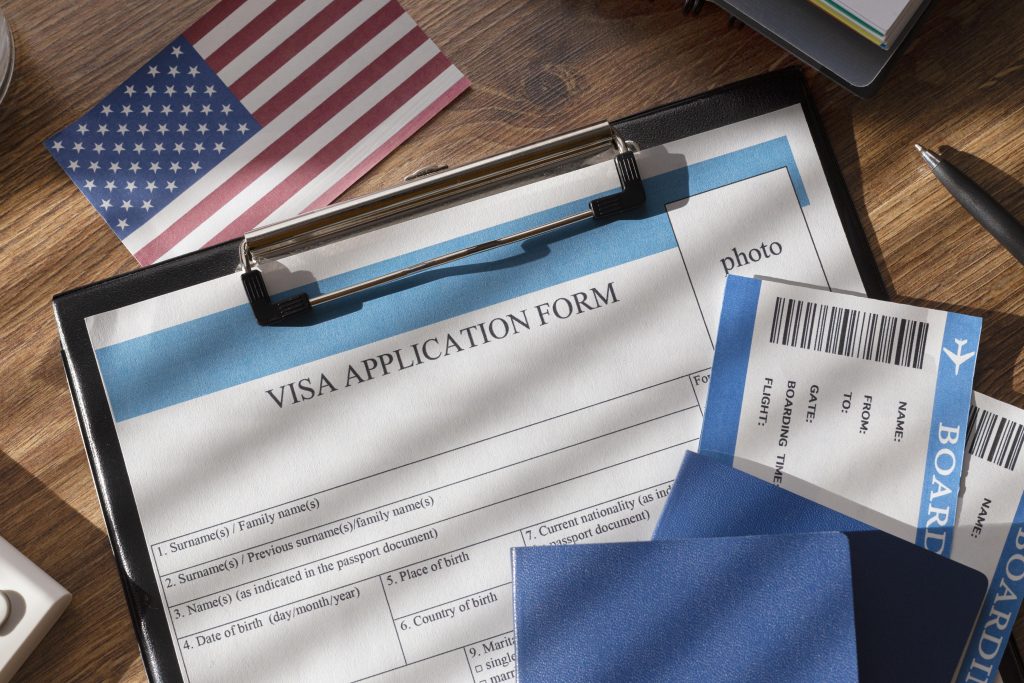
One of the most confusing parts of the process is reading what the system tells you. Here is a plain explanation of what each CEAC status typically means:
- No Status: Your visa application has not been processed yet.
- Administrative Processing: Additional checks or documentation are underway.
- Issued: Your visa has been approved and is being printed.
- Refused: Your application was denied, often with a reason or reference code.
- Ready: Your case is ready for an interview or a final decision.
Each of these means something different, and knowing the difference saves you from panic or from making wrong decisions.
1. What “Administrative Processing” Really Means
Many Nigerian applicants see “Administrative Processing” and assume the worst. That is not always the case. Administrative processing is not a denial. It means your case requires additional review, often a security check by another US agency. The vast majority of admin processing cases are eventually approved.
Most cases resolve within 60 to 90 days. Some take six or more months. There is no published timeline by nationality or visa category. The consulate will contact you when processing is complete. Do not bombard the embassy with emails or calls. It does not help.
2. What “Refused” Means and What You Can Do
A refused status does not always mean a permanent no. If your visa was denied or refused, it means you could not prove to the consular officer that you are eligible for a visa. There could be many reasons. Sometimes they are denied under section 214(b) or other grounds.
It is important to note that there is no formal appeal process for US visa denials. However, if you believe there are significant changes in your situation or additional information that could influence the decision, you can reapply and present this new information.
The Current Rules Nigerians Must Know
The visa environment has changed significantly for Nigerian applicants. Starting January 21, 2026, nationals of Nigeria who are found otherwise eligible for a B1/B2 visa must post a bond of up to $15,000. At the time of the interview, the consular officer will inform the applicant whether they are eligible for a visa and will provide instructions on how to pay this bond.
This bond requirement is one of the biggest changes Nigerian applicants have faced in recent years. It is not a fee you pay before your interview. You must wait for the officer to confirm eligibility first.
Effective January 1, 2026, the US partially suspended visa issuance to Nigerian nationals for nonimmigrant B1/B2 visitor visas and F, M, and J student and exchange visitor visas, with limited exceptions. If you fall under one of those categories, you need to be especially careful about how you prepare and present your application.
This makes pre-screening your application more important than ever. Going into an interview with weak documents or inconsistencies in your profile increases the chance of denial significantly.
Why Most Nigerian Visa Applications Are Denied
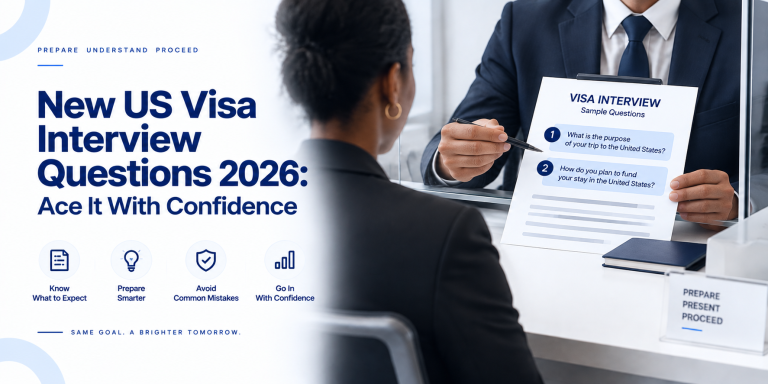
The interview is not just a formality. Consular officers evaluate every signal available to them during and before the meeting. A denied application is disappointing but not always final. Common grounds include lack of ties to Nigeria, previous immigration violations, or incomplete documentation. Some denials can be overcome with additional evidence.
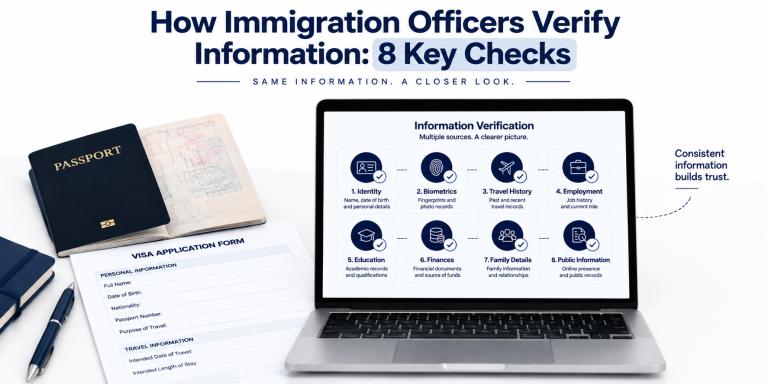
Officers today are also checking beyond paper documents. The US Department of State has announced expanded screening and vetting procedures for visa applicants, which now includes a closer review of your background, including your online activity.
Effective March 30, 2026, social media screening now applies to a much broader group of visa categories. Affected applicants are expected to make their social media profiles publicly viewable ahead of their visa interview and keep them accessible during processing. You must disclose all social media accounts used in the past five years on Form DS-160, including inactive accounts. Failing to disclose an account, or limiting profile visibility, can lead to delays or possible denial.
This means a Nigerian applicant today must be consistent across every signal, from financial documents and travel history to what they have posted online.
How Vizacheck Helps You Before You Even Walk In
This is where Vizacheck changes the game entirely. Most applicants only find out something was wrong after a denial. Vizacheck is built to show you what a consular officer would likely see before you ever step into that interview room.
Vizacheck is an AI-powered visa screening tool built around how embassies actually evaluate applicants. It does not just check if your documents look complete. It reviews the signals that consular officers weigh, including document consistency, financial credibility, travel history, and ties to your home country.
Think of it as a mock review of your application before the real one happens. If something looks weak, you find out in time to fix it, not after you have paid a non-refundable fee and sat through an interview.
Here is what Vizacheck does for Nigerian applicants:
- Screens your application against the actual criteria consular officers use
- Flags inconsistencies across your documents before submission
- Evaluates your financial and travel profile the way an embassy would
- Helps you understand your strengths and what may trigger a refusal
This is not guesswork. It is systematic, data-driven analysis trained on how consular decisions are actually made. You can also read more about the full visa screening process to understand exactly what gets reviewed.
What to Do After Your Visa Is Approved
Once your CEAC status shows “Issued,” the process is not fully done. After your visa is approved at the consulate, your passport is sent for visa issuance and then returned to you or your courier service. Typical processing time after “Issued” appears in CEAC is three to seven business days.
Do not book non-refundable travel until “Issued” appears in CEAC. This is especially important for Nigerian applicants who might face additional delays due to the new bond and review requirements currently in effect.
If your passport does not arrive within ten business days after your status shows “Issued,” contact the courier service using your tracking number or reach out to the consulate’s visa information service.
FAQ: US Visa Status Check for Nigerians
For some cases, the refused status shows online as soon as the interview is done. For other cases like H1-B that involve administrative processing, the update may appear much later. For most approvals, you should see a status update within two business days.
No. When a visa application is placed in administrative processing, it means the application is temporarily on hold under Section 221(g) of the Immigration and Nationality Act, pending further action by the consular post. A refusal under this section may be overcome if the applicant submits additional evidence or once the required processing is completed.
Yes. You can reapply for your visa as many times as needed, as there is no legal limit on the number of reapplications you can submit. However, you will need to send in a new application, pay the visa fee again, and demonstrate that you have addressed the issues cited in your denial.
You must disclose all social media accounts used in the past five years on Form DS-160, including inactive accounts. The safest approach is full transparency across all platforms.
Take Action Before Your Interview
Checking your visa status online is straightforward once you know how CEAC works. But knowing your status after the fact is very different from being prepared before the fact.
Nigerian applicants today are facing more scrutiny than ever, from the new bond requirements to expanded social media vetting. The strongest thing you can do is enter that interview having already reviewed your application through the same lens a consular officer would use.
Vizacheck gives you that edge. Run your visa screening today and find out where your application stands before the embassy decides for you.