
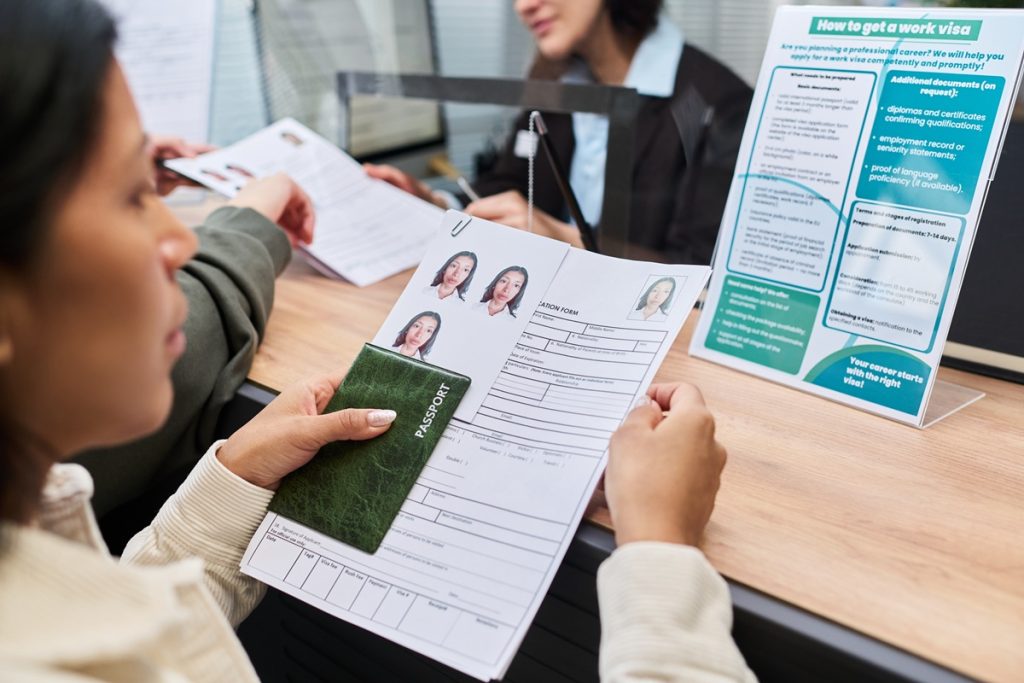
You spent weeks pulling documents together. You paid the fees. You showed up to the interview. And still, the officer said no. If that sounds familiar, you are not alone. Thousands of applicants get denied each year, not because they lacked documents, but because they did not understand what embassies actually check during visa screening.
The good news? When you know how the process works, you can prepare better. Tools like Vizacheck now make it possible to run the same kind of AI-powered screening on your profile before you ever walk into an embassy.
What Is Visa Screening?
Visa screening is the full process embassies use to decide if someone qualifies for a visa. It is not just a document review. It includes background checks, database lookups, security clearance checks, and in many cases, a review of your online presence.
Consular officers look at each application individually, considering the applicant’s personal circumstances, travel plans, financial resources, and ties to their home country. The goal is to decide whether you are likely to follow the rules of the visa you are applying for.
How the Visa Background Check Works
Most people think the visa interview is where decisions are made. The truth is, the review starts long before you sit down with an officer.
Consular officers use the CLASS (Consular Lookout and Support System), a database that pulls information from the FBI, the Drug Enforcement Administration, and the Department of Homeland Security, to flag individuals who may be ineligible for a visa. They also check your full visa history across all previous applications.
Security clearance checks may involve collaboration with various U.S. government agencies to verify your background, while documents like educational certificates, employment letters, and financial statements are scrutinized for authenticity.
Beyond paperwork, the Department of State now requires consulates to conduct thorough reviews of social media accounts for student and exchange visitor visa applicants. This trend is expected to expand to other visa categories.
Want to know exactly what officers find when they look you up? Read our guide on what visa officers check online before your interview.
What Consular Officers Are Really Looking For
Here is what matters most during the embassy visa process:
- Ties to your home country. Officers want proof you have strong reasons to return, such as a job, property, or family.
- Financial stability. You need to show you can support yourself without becoming a burden.
- Consistency in your application. Any mismatch between your documents, interview answers, and online presence is a red flag.
- Travel history. Previous visas and clean travel records work in your favor.
- Criminal or security history. Any flags in government databases will trigger deeper review.
Consular officers are trained to read body language and responses, and in many cases have already formed an initial view before the interview even begins, based on their knowledge of local income levels, property values, and other variables.
Why Applications Get Sent to Administrative Processing
Not every refusal is final. When a consular officer cannot make an immediate decision, the application may be placed into administrative processing, a phase that may involve further investigation into your background, security checks, or document verification.
Common reasons include incomplete documentation, the complexity of the case, your field of study or research, prior visa denials, or concerns around fraud and criminal history. Administrative processing can take anywhere from days to months.
This is exactly why preparing before your interview matters so much. Vizacheck screens your profile across every signal embassies evaluate, so you can fix problems before they become denials.
Check out our breakdown on visa social media checks and how to avoid denials to learn what officers commonly find and flag.
How to Improve Your Visa Approval Chances
The immigration screening process is thorough, but it is not random. Officers follow a clear framework. Here is how to work with it:
- Be consistent. Your documents, interview answers, and online presence should all tell the same story.
- Clean up your social media. Remove or make private any posts that could be misread or misinterpreted.
- Prepare for tough questions. Officers may ask “what if” scenarios to gauge your true intentions.
- Bring complete documents. Missing paperwork is one of the most common causes of delays and denials.
If a consular officer finds that additional information may help establish your eligibility, your application may be held for further administrative processing rather than receiving an outright denial. Giving them complete, consistent information from the start can prevent this entirely.
Get Ahead of the Screening Before Your Interview
Most applicants only discover problems after getting denied. Vizacheck flips that process. It runs AI-powered screening across every signal consular officers evaluate, built specifically for how embassies actually check. You see what they see, before the interview.
If you have been denied before or want to avoid a surprise, also read our article on visa denial due to social media to understand the most common digital red flags.
Frequently Asked Questions
What is visa screening? Visa screening is the full process an embassy uses to review your application. It covers your documents, interview performance, financial records, security database checks, and increasingly, your social media profiles.
How long does a visa background check take? Most applications are decided at the interview. However, if your case is flagged for administrative processing, it can take anywhere from a few days to several months depending on the complexity of your case.
Can a visa denial be reversed? Yes, in some cases. If the denial was under INA section 221(g), it may be possible to overcome by providing missing documents or additional information. Permanent bars under fraud or misrepresentation are much harder to reverse.
Does social media affect visa approval? Yes. Embassies now review social media as part of the visa eligibility assessment process for multiple visa categories. Posts that contradict your stated purpose of travel or raise security concerns can lead to denial.