Every year, thousands of skilled workers spend months preparing for the H1B visa lottery, only to get a rejection they never saw coming. You do the paperwork. You find the employer. You wait. And then the result comes back as “not selected,” with no explanation and no path forward until next year.
That uncertainty does not have to be the starting point.
Vizacheck is an AI-powered visa screening tool that analyzes the exact signals immigration officers evaluate before you even enter the lottery. It gives you a clear picture of where you stand and what you can do to improve your chances.
The H1B Visa Lottery Has Changed: Latest Updates You Need to Know
The H1B visa lottery system as most people know it no longer exists. For decades, every registered applicant had roughly the same 30% chance of being selected, regardless of their salary, experience, or skill level. That changed on February 27, 2026.
On December 23, 2025, the Department of Homeland Security published a final rule to change how USCIS operates the lottery process. The new rule replaces the random lottery with a weighted selection process that gives greater odds of selection to higher-wage applicants.
The existing random selection process had often been criticized for allowing unscrupulous employers to exploit it by flooding the selection pool with lower-skilled foreign workers paid at low wages. The new weighted selection will better serve Congress’ intent for the H-1B program by incentivizing American employers to petition for higher-paid, higher-skilled foreign workers.
This is not a small adjustment. It is the biggest change to the H1B lottery process in over three decades, and it directly affects your odds of selection.
How the H1B Visa Weighted Selection Process Actually Works
The new system is built around something called wage levels. The Department of Labor ranks wages into four tiers for every occupation and region. Your salary gets assigned to one of these levels, and that level determines how many times your registration is entered into the selection pool.
Under the new system, registrations assigned a Level IV wage (the highest) will be entered into the pool four times. Level III wage offers will result in three entries. Level II wage offers result in two entries. Level I wage offers result in one entry.
This means a Level IV applicant has four times the selection probability of a Level I applicant. The h1b visa lottery weighted selection process is not subtle. It creates a measurable gap between applicants at different wage tiers.
One important thing to understand: the weighted system does not use your absolute salary. It uses your wage level, which compares your salary to others in your specific occupation and location. A $300,000 salary can still be Level I if it is entry-level for that specialty in that metro area.
So a high income does not automatically mean a high wage level. What matters is how your salary compares to others in your exact role and city. That is a detail many applicants overlook until it is too late.
H1B Visa Lottery Results: What the Data Shows
The h1b visa lottery results under the new system tell a clear story about who wins. Level IV registrations rise from 15.5% to almost 26% of selected registrations under the new system, an increase of 10.5 percentage points. Level I registrations make up only 14% of selected registrations, compared to 27% under the previous random lottery.
Under the new DHS rule, average compensation for selected H1B workers increases to $121,863, an increase of $9,554 from the current average of $112,309. The weighted system is doing exactly what it was designed to do: pushing selection toward higher earners.
The practical implication is straightforward. If your offered salary puts you at Level I or Level II, your odds of selection are significantly lower than before. If you are at Level III or Level IV, your odds have improved. Understanding which level you fall into is now one of the most important things you can do before registration opens.
This is precisely the kind of analysis that visa screening tools are designed to provide. Vizacheck evaluates your profile against the criteria that determine selection outcomes and gives you actionable insight before you invest in the process.
H1B Visa Lottery Changes: The $100,000 Fee Impact
The weighted lottery is not the only major h1b visa lottery change affecting applicants in 2026. A Presidential Proclamation issued in September 2025 established a $100,000 fee that employers must pay before filing H-1B petitions for beneficiaries residing outside the United States.
This fee primarily applies when the H-1B beneficiary is outside the United States and does not already hold valid H-1B status, or when the petition requests consular notification, even if the worker is physically present in the United States.
The fee does not affect all applicants equally. F-1 students changing status from within the US, and workers on H-1B extensions or transfers, are generally exempt. But for anyone applying from abroad, the financial math has changed significantly.
These initiatives collectively represent the most substantial revision to H-1B visa allocation procedures in over three decades. Navigating them without preparation puts you at a real disadvantage.
Documents Required for H1B Visa Lottery Registration
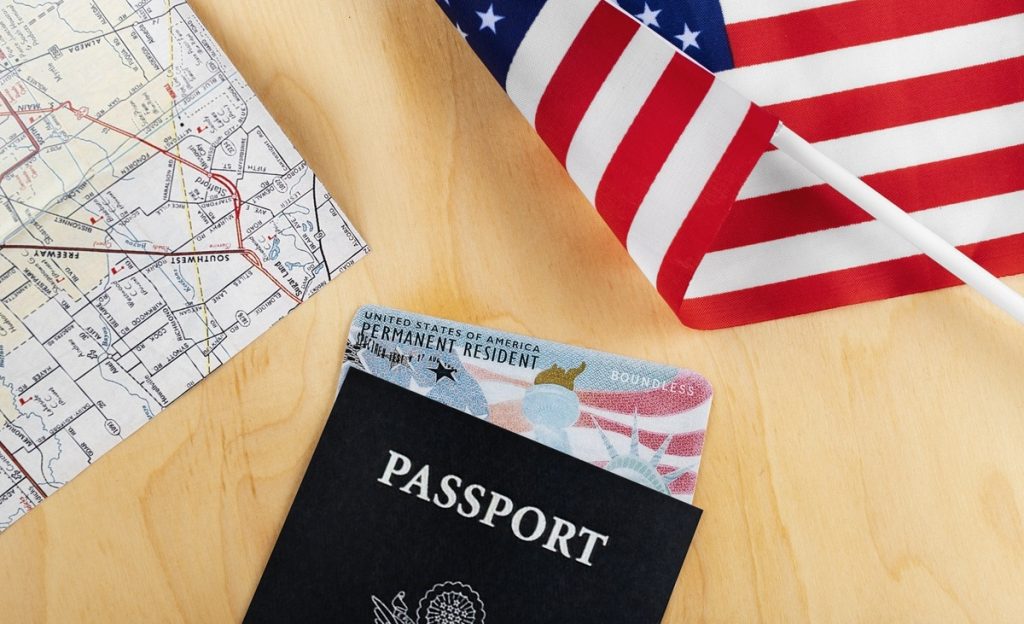
Knowing what you need before the registration window opens saves time and prevents costly mistakes. Here are the core requirements for the h1b visa lottery registration:
- Beneficiary’s full legal name, date of birth, and valid passport number
- SOC code (Standard Occupational Classification) for the intended role
- Area of intended employment
- The OEWS wage level the offered salary meets or exceeds
- $215 registration fee per beneficiary, paid through the USCIS portal
The passport or travel document provided must be the same one the beneficiary used to enter the United States, or the document they intend to use to enter if they are outside the United States. The passport must be valid and unexpired at the time of registration.
After selection, the full petition requires additional documentation including Form I-129, a certified Labor Condition Application from the Department of Labor, and the beneficiary’s educational transcripts and diplomas. The filing window is 90 days from the date of the selection notice.
If you are unsure whether your documentation is complete or consistent, running a pre-application visa risk check through Vizacheck helps you identify gaps before they affect your outcome.
How to Improve Your H1B Lottery Odds Before You Register
The lottery system for H1B visa selection is no longer purely random. That means deliberate preparation can actually move the needle. Here is what experienced immigration professionals recommend:
- Know your wage level before registration. Use the Department of Labor’s FLAG wage search tool to find the exact threshold for your occupation and location.
- Talk to your employer about compensation strategy. If your offered salary is $5,000 below the Level III threshold, negotiating that increase could mean the difference between 2 and 3 lottery entries, a 50% increase in your odds.
- If you hold a US master’s degree or higher, your registration goes into the advanced degree pool first, giving you a second chance at selection. A Level III applicant with a US master’s degree has a cumulative selection probability significantly above the standard pool.
- Explore cap-exempt employers. Universities, nonprofit research institutions, and government research organizations are not subject to the annual cap and skip the lottery entirely.
The single biggest mistake applicants make is treating the lottery as something that happens to them rather than something they can prepare for.
Vizacheck shifts that dynamic by running AI-powered analysis on your profile before you enter the process, so you understand your risk level, your wage tier standing, and what you can do to improve your position.
FAQs: Check Your H1B Visa Lottery Chances | Visa Screening
The initial registration period for the FY 2027 H-1B cap opened at noon Eastern on March 4 and ran through 5:00 p.m. Eastern on March 19, 2026. Selection notices were sent by March 31, 2026. Approved petitions have an employment start date no earlier than October 1, 2026.
No. The weighted system changes the odds, but it does not guarantee selection at any level. A Level IV registration has a 61% chance of selection, not 100%.
There is ongoing policy discussion about when the H1B visa ends lottery as a mechanism, but as of 2026, the lottery system remains in place. What changed is the weighting method, not the existence of a lottery.
You can be registered again in the next lottery cycle. Some applicants pursue alternative visa categories in the meantime. A visa screening report from Vizacheck can help you evaluate your alternatives and identify any factors that may be affecting your eligibility across different pathways.
Your Chances Are Not Fixed. Screen Before You Register.
The H1B visa lottery has never been more data-driven than it is right now. Wage levels, SOC codes, regional salary benchmarks, and document consistency all feed into the outcome. The applicants who understand these signals before registration opens are the ones who enter the process with a real advantage.
Vizacheck is AI-powered screening built across every signal consular officers and immigration systems evaluate. It is designed for how the process actually works, not how people assume it works. Screen your H1B profile today before the next registration window, not after the results come back.