To make social media public for visa interview is no longer just a suggestion. It is something many applicants are now required to do, and it can affect the outcome of the visa decision. When you make social media public for visa interview, you are opening up your online activity for review, and that changes how your application is assessed.
Many people focus only on documents and interview preparation. They assume that once everything is submitted, they are ready. But that is not the full picture anymore. What shows up on your social media can raise questions that were never discussed in your application.
If you are a travel agent or helping someone apply, this is where many mistakes happen. Profiles are made public without proper review, and issues that could have been fixed early are left for visa officers to find.
In this article, you will learn what happens when you make social media public for visa interview, the common mistakes to avoid, and how to prepare properly before your profiles are reviewed.
READ: H1B Social Media Vetting: What Applicants Must Know Before Their Visa Interview
What Happens When You Make Social Media Public for Visa Interview
When you make social media public for visa interview, you are not just changing a setting. You are giving visa officers direct access to your online activity, and that changes how your application is reviewed.
Most people think making their profile public is a simple step. It is not. It exposes everything that has been hidden behind private settings, including posts, comments, connections, and profile history.
This is where many applicants make mistakes.
Here is what actually happens when your profile becomes public:
1. Your Full Activity Becomes Visible
Once your account is public, officers can see posts, comments, likes, and interactions. This includes older content that you may not even remember. What seemed hidden before is now part of your application review.
2. Your Profile Is Compared With Your Application
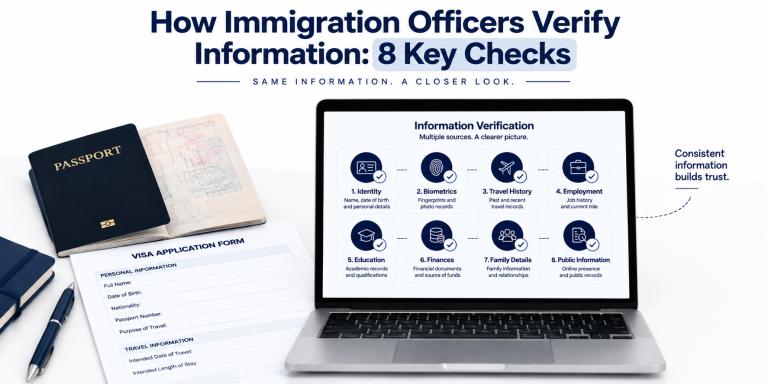
Visa officers will check if your social media matches what you submitted. They look at your job, school, location, and general lifestyle. If anything does not align, it creates doubt.
3. Your Online Behavior Is Observed
It is not just about what you posted. It is about how you behave online over time. The tone of your content, the kind of conversations you engage in, and how you present yourself all form part of the review.
4. Your Connections Are Reviewed
When your profile is public, your network is also visible. Officers can see who you follow, who interacts with you, and the groups you are part of. These connections can influence how your case is seen.
5. Your Past Can Resurface
Old posts, outdated information, and forgotten content can come back into focus. Making your profile public does not only show your present. It shows your history.
This is why making social media public for visa interview is not something you should do blindly.
If your profile is not reviewed properly before making it public, you are exposing your application to risks you cannot control.
5 Mistakes to Avoid When You Make Social Media Public for Visa Interview
Most people hear that they need to make social media public for visa interview and rush to change their settings without thinking through the impact. That is where problems begin.
Here are the five most common mistakes that lead to avoidable visa issues:
1. Making Profiles Public Without Reviewing Them First
This is the biggest mistake. Many applicants switch their accounts to public without checking what is on them. Old posts, comments, and profile details become visible immediately.
Once that happens, anything that raises questions is no longer under your control.
2. Ignoring Inconsistencies Between Social Media and Application
Your social media should match your visa application. If your application says one thing and your profile shows another, it creates doubt.
Even small differences in job title, school, or location can lead to deeper checks.
3. Deleting Too Much Content at the Last Minute
Some people panic and start deleting large amounts of posts just before their interview. This can look suspicious.
A sudden change in activity can raise more questions than leaving things as they are.
4. Overlooking Comments and Interactions
Applicants often focus only on their own posts. They forget that comments, replies, and interactions are also visible.
A comment made years ago can still be reviewed and interpreted in a way that affects the application.
5. Not Checking Connections and Groups
The people you follow and the groups you are part of also become visible. These associations can influence how your profile is perceived.
Many applicants ignore this completely, even though it is part of what visa officers check online.
These mistakes are common, and they are avoidable.
But avoiding them requires more than a quick review. It requires a proper way to check what becomes visible and how it can affect the application.
How to Prepare Properly Before You Make Social Media Public for Visa Interview
Avoiding mistakes is one part of the process. Preparing properly is what actually improves your chances.
Before you make social media public for visa interview, you need to treat your online presence the same way you treat your documents. It has to be reviewed, aligned, and ready for inspection.
Here is how to do it the right way:
1. Identify Every Account You Have Used
Start by listing all your social media accounts from the past five years. This includes accounts you no longer use. If an account is missing or forgotten, it can create gaps that raise questions.
2. Align Your Profile Details
Check your name, job, school, and location across all platforms. These details should match what is in your visa application.
If there are differences, correct them early so your information is consistent.
3. Review Your Content Carefully
Go through your posts, comments, and replies. Look for anything that can be misunderstood or does not reflect your current situation.
You are not trying to erase your history. You are making sure it does not create confusion.
4. Check Your Connections and Groups
Look at who you follow and the groups you belong to. These connections become visible when your profile is public.
If something does not align with your application, it needs attention.
5. Search Your Name Online
Do a simple search of your name and review what appears. This helps you see what visa officers may find outside your social media profiles.
6. Make Changes Early, Not Suddenly
If you need to update or clean up your profiles, do it gradually. Avoid making large changes right before your interview.
Gradual updates look natural, while sudden changes can raise suspicion.
7. Prepare to Explain What Cannot Be Changed
If there is something you cannot remove or update, be ready to explain it clearly. Confidence and consistency matter during the interview.
This process works, but it depends on how well you can spot issues.
And that is where most people still fall short.
Manual reviews can miss details, and missing those details is what leads to problems during the visa decision stage.
Why Manual Checks Fail and Why Vizacheck Is the Only Reliable Way to Get This Right
At this stage, you might feel that if you follow the steps carefully, you can handle everything on your own. That is where most people get it wrong.
Preparing manually for when you make social media public for visa interview sounds simple, but in practice, it is not reliable. The problem is not effort. The problem is visibility.
You can only review what you notice. Visa officers are trained to go beyond what is obvious.
Here is where manual checks fail:
You Miss Hidden Patterns
You may review recent posts, but visa officers can look at behavior over time. A pattern across months or years can reveal things that a quick check will not show.
You Overlook Indirect Signals
A post on its own may seem fine, but when combined with comments, tags, and interactions, it can suggest something different. These connections are easy to miss when you are checking manually.
You Cannot Properly Match Everything
Comparing social media with your application is not as simple as it looks. Small inconsistencies in job titles, timelines, or locations can go unnoticed but still raise concerns during review.
You Rely on Personal Judgment
What looks fine to you may not look fine to a visa officer. They are trained to question details, not overlook them.
You Often Act Too Late
Most applicants only realize there is a problem when they are already at the interview stage. At that point, it is no longer about fixing the issue. It is about explaining it under pressure.
This is exactly why Vizacheck is not optional if you want to get this right.
When you make social media public for visa interview, you are exposing your entire online history. Vizacheck is designed to scan that history the way it needs to be reviewed.
It does not rely on guesswork. It works by checking your social media and your documents together, so you can see where they do not align.
It helps you:
- identify mismatches between your application and your online profiles
- detect patterns that may raise concern
- spot red flags that are easy to miss manually
- understand what needs to be fixed before submission
This changes the process completely.
Instead of hoping your profile is clean, you know what is there.
Instead of waiting for a visa officer to find a problem, you find it first.
Instead of reacting during the interview, you prepare before the interview.
If you are serious about avoiding mistakes when you make social media public for visa interview, this is the step that gives you control.
Without it, you are still relying on chance.
See: Visa Social Media Check: Ways to Avoid Visa Denials
Conclusion
When you make social media public for visa interview, you are doing more than changing a setting. You are allowing visa officers to review your online history as part of their decision.
That is where many applications become weak.
Not because the documents were wrong, but because something online did not match, raised doubt, or was misunderstood. And by the time that happens, there is very little you can do to fix it.
If you approach this step casually, you are taking a risk.
A better approach is to prepare properly before making anything public. Review your profiles, align your information, and deal with anything that can create confusion. That is how you reduce the chances of problems during the visa process.
But as you have seen, manual checks are not always enough. It is easy to miss details, and those small details are often what affect decisions.
See What Will Be Visible Before You Make It Public
If you want to avoid mistakes when you make social media public for visa interview, the smartest move is to check everything first.
Watch this to see how to review your social media and documents properly before they are seen at the embassy:
https://go.veripass.org/vtstrm
This will show you how to spot issues early and fix them before they affect your application.
FAQs: Make Social Media Public for Visa Interview
Visa officers review your social media to confirm that your online presence matches your visa application and does not raise concerns about your intent.
They typically check:
Profile information
Your name, job, education, and location are compared with what you submitted in your application. Any mismatch can raise questions.
Posts and content
They look at your public posts, captions, and shared content to understand your behaviour, views, and activities over time.
Comments and interactions
Replies, comments, and conversations are also reviewed. These can sometimes reveal more context than posts alone.
Connections and associations
The accounts you follow, groups you belong to, and people you interact with can influence how your profile is perceived.
Consistency with visa intent
They check if your online activity aligns with the purpose of your visa. For example, applying for a short visit while showing long-term plans online can raise concerns.
Any risk-related signals
Content that suggests unlawful activity, aggressive behaviour, or anything that conflicts with U.S. laws or policies may trigger deeper checks.
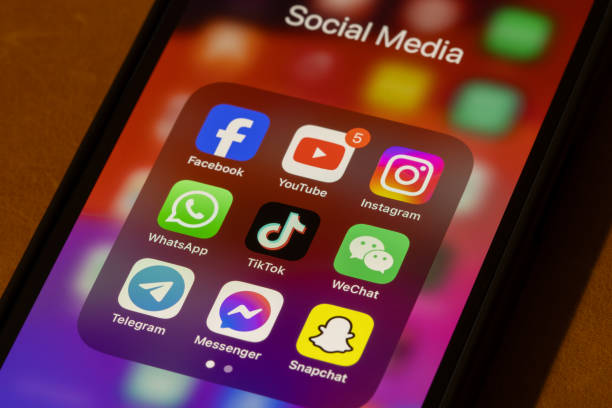
You should make all the social media accounts you have used in the past five years public, especially the ones you list in your visa application.
This usually includes platforms like:
Facebook
Instagram
Twitter (X)
LinkedIn
TikTok
YouTube
Visa authorities may ask you to provide your social media handles, and they expect those accounts to be accessible for review. If your profiles remain private, it can limit visibility and may lead to delays or additional questions.
Yes, visa officers can check social media as part of the visa review process.
For many U.S. visa categories, applicants are required to provide their social media handles from the past five years.
Once submitted, officers may review public profiles to verify identity and confirm that the information matches the visa application.